Blog

By Home Care Assistance Montgomer, 9:00 am on August 26, 2019

Respite care is the perfect option for family caregivers with senior loved ones who want to age in place. A qualified caregiver can come into your loved one’s home and help on an as-needed basis, making sure your parent receives high-quality care. If you’re thinking there might be negatives to choosing this type of care, find out why respite care…

By Home Care Assistance Montgomer, 9:00 am on August 19, 2019

The exact cause of Parkinson’s is still unknown, but researchers have been able to identify some clear risk factors. While a few of those risk factors are completely out of our control, seniors can do quite a bit to prevent this disease. Here’s a quick glimpse at five simple and natural tips older adults can use to greatly reduce their…

By Home Care Assistance Montgomer, 9:00 am on August 12, 2019

Seniors with dementia sometimes need help managing symptoms that cause them to get angry or frustrated. Although many of the most challenging dementia symptoms tend to occur during the evening hours, you should always be prepared to help your senior loved one manage his or her emotions. Distraction is a powerful tool that can shift your loved one’s focus away…

By Home Care Assistance Montgomer, 9:00 am on August 5, 2019

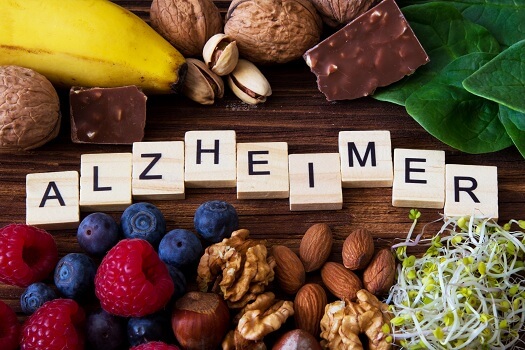
There are quite a few reasons seniors with Alzheimer’s need to stick to a healthy diet. In addition to boosting their energy levels and physical health, a nutritious diet can also slow the progression of this disorder. While everyone has slightly different nutritional needs, there are a few basic dietary rules most seniors with Alzheimer’s can benefit from. Fresh Produce…

By Home Care Assistance Montgomer, 9:00 am on July 22, 2019

Idiopathic Parkinson’s disease is the most common type people are diagnosed with. With this diagnosis, seniors can expect the health condition to progress through the usual five stages, but it’s important to remember that how fast this process occurs is different for everyone. Though Parkinson’s disease isn’t fatal on its own, it does cause symptoms that increase the risk of…

By Home Care Assistance Montgomer, 9:00 am on July 15, 2019

The first three months after a stroke are when most people experience the greatest gains in recovery. These months are also critical for helping seniors establish healthier lifestyles that prevent additional strokes from happening. Knowing what to expect during these three months can help you figure out the best ways to boost your aging loved one’s health as he or…

By Home Care Assistance Montgomer, 9:00 am on July 8, 2019

Since most forms of dementia aren’t entirely curable yet, seniors often wonder how they can prevent it from developing. There are all sorts of rumors about how drinking wine each day can prevent dementia, but at the same time, there’s also the idea that too much alcohol can end up causing dementia. The reality is that alcohol's effects on dementia…

By Home Care Assistance Montgomer, 9:00 am on July 1, 2019

When taking care of an elderly parent with Parkinson’s, developing a high-quality care plan should be your first task. The plan is a document of actions, duties, needs, and contacts that can help you and other family caregivers manage the disease and boost your loved one’s quality of life. Here are some of the tasks and situations you need to…

By Home Care Assistance Montgomer, 9:00 am on June 24, 2019

Conveying their thoughts to friends, family caregivers, and medical professionals is essential to the recovery process of stroke survivors. However, due to the effects of the strokes, seniors may lose many of their cognitive abilities, including communication. Continue reading to learn what communication devices your aging loved one can use while recovering from a stroke. Emotion Cards If sharing emotions…

By Home Care Assistance Montgomer, 9:00 am on June 17, 2019

Following a stroke, seniors must be very careful about what they eat. Filling up on unhealthy foods increases the risk of having a second stroke and slows recovery. The act of eating can be challenging as well, which is why stroke survivors should stick to nutrient-dense foods that are easy to chew and digest. Here’s a quick look at five…