Table of Content
- 1 How Can You Assess Safety and Accessibility throughout The Home?
- 2 What Medical Supplies and Documents Should Be Organized in Advance?
- 3 How Can You Create a Comfortable and Supportive Living Space?
- 4 What Communication Protocols Should You Establish With Your Caregiver?
- 5 Frequently Asked Questions
- 6 Can home preparation reduce resistance to receiving care?
- 7 Should I provide the caregiver with house keys?
- 8 How often should I update the medication list?
- 9 Can I request the same caregiver each visit?
Preparing your home for in-home care services generally involves increasing safety, organizing medical information, creating a comfortable living space, and setting clear communication expectations. These steps help caregivers provide effective support while reducing risks, minimizing stress, and ensuring your loved one feels secure, respected, and cared for in his or her own home.
Welcoming a caregiver into your home marks a significant step toward ensuring your senior loved one’s safety and comfort. By taking the time to prepare your living space beforehand, you can create a supportive environment that facilitates high-quality care and peace of mind for everyone involved.
How Can You Assess Safety and Accessibility throughout The Home?
The first priority when preparing for home care is to ensure the environment is safe for both your loved one and the caregiver. A home safety assessment can identify potential hazards that might lead to falls or injuries. Walk through each room with a critical eye, looking for obstacles that could impede mobility or cause accidents.
Consider the following adjustments to enhance safety:
- Remove tripping hazards – Secure loose rugs with nonslip backing or remove them entirely. Clear electrical cords from walkways and declutter floors to create wide, unobstructed paths.
- Install grab bars – Place grab bars in the bathroom near the toilet and in the shower or tub to assist with balance and transfers.
- Improve lighting – Ensure all areas, especially hallways, staircases, and bathrooms, are well lit. Nightlights can be particularly helpful for navigating the home safely after dark.
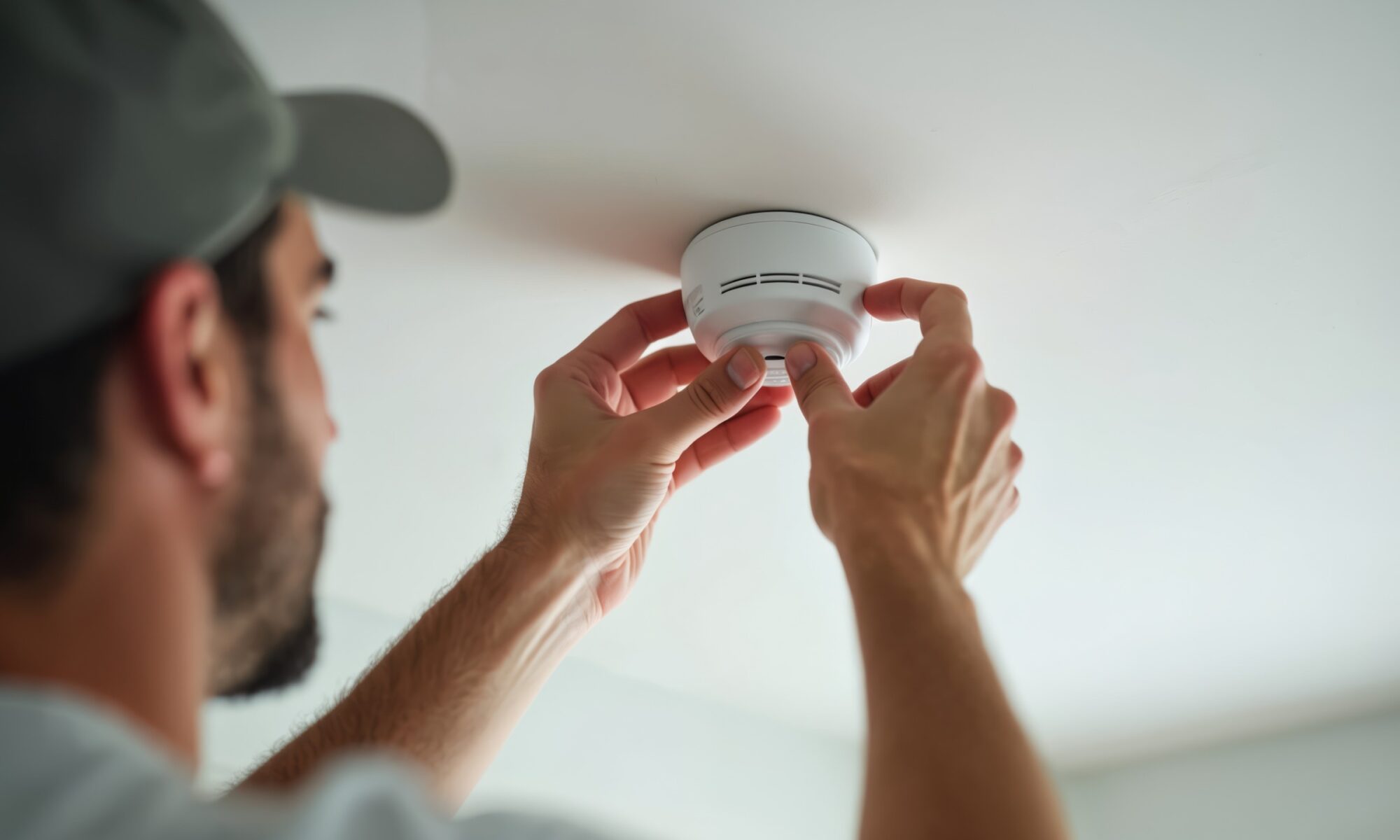
- Check smoke detectors – Test all smoke and carbon monoxide detectors to verify they’re in working order and replace batteries if necessary.
If you need help ensuring your loved one’s safety at home, a professional caregiver can be a wonderful source of support. Certain age-related conditions can make it more challenging for seniors to age in place safely and comfortably, but live-in care experts are available around the clock to help Montgomery seniors manage their health. Whether your loved one is living with dementia or recovering from a stroke, you can trust the professional live-in caregivers from Home Care Assistance to enhance his or her quality of life.
What Medical Supplies and Documents Should Be Organized in Advance?
Efficiency is key to effective in-home care. Having all necessary medical supplies and important documents organized and easily accessible allows the caregiver to focus on providing care rather than searching for items. Create a dedicated space for these materials, such as a specific drawer, shelf, or cabinet that’s clearly labeled.
Key items to organize include:
- Medications – Keep a current list of all medications, dosages, and schedules. Use a pill organizer to manage daily intake, and store bottles in a secure location.
- Medical records – Compile a folder containing medical history, insurance cards, doctor contact information, and emergency contacts.
- Care plan – If a care plan has already been established, keep a printed copy available for the caregiver to reference.
- Daily supplies – Stock up on essential items like gloves, bandages, incontinence products, and personal hygiene supplies so they’re readily available when needed.
How Can You Create a Comfortable and Supportive Living Space?
Aside from safety, comfort is crucial for your loved one’s wellbeing. The home environment should support your loved one’s physical and emotional needs. This involves setting up a specific area where your loved one will spend most of his or her time, ensuring it’s equipped with everything he or she might need throughout the day.
To maximize comfort, consider these steps:
- Adjust furniture – Arrange furniture to allow for easy movement, especially if a wheelchair or walker is used. Ensure the bed is at a comfortable height for getting in and out.
- Accessible necessities – Keep items like the TV remote, phone, tissues, and water within easy reach of your loved one’s favorite chair or bed.
- Temperature control – Verify the heating and cooling systems are working properly to maintain a comfortable temperature year-round.
- Personal touches – Add familiar items like photos, favorite blankets, or books to the space to make it feel warm and inviting, reducing feelings of clinical sterility.
In the golden years, it’s easier to maintain a high quality of life in a senior-friendly home. One of the most challenging tasks of helping an elderly relative age in place safely and comfortably is researching agencies that provide home care. You can turn to Home Care Assistance for reliable, high-quality in-home care for aging adults. We offer 24-hour live-in care for seniors who require extensive assistance, and we also offer respite care for family caregivers in Montgomery who need a break from their caregiving duties.
What Communication Protocols Should You Establish With Your Caregiver?
Effective communication is the foundation of a successful caregiver relationship. Before services begin, establish how and when you’ll communicate with the caregiver and the agency. Setting these expectations early can prevent misunderstandings and ensure everyone is on the same page regarding your loved one’s care.
Steps to facilitate good communication include:
- Logbook – Provide a notebook for the caregiver to record daily activities, medication reminders, mood changes, and any concerns. This creates a reliable record for family members to review.
- Emergency protocols – Clearly post emergency numbers, including 911, the poison control center, family contacts, and the care agency’s office number, near the phone.
- House rules – Discuss any specific house rules or preferences, such as smoking policies, kitchen use, or pet care, to ensure respectful cohabitation.
Frequently Asked Questions
Is it important to prepare a dedicated space for the caregiver?Often, yes. A defined workspace helps caregivers stay organized and focused.
Can home preparation reduce resistance to receiving care?
Frequently, yes. A familiar, comfortable environment helps seniors feel more in control.
Should I provide the caregiver with house keys?
Yes, if the caregiver will arrive when no one is home. Coordinate key arrangements with the care agency beforehand to ensure secure access.
How often should I update the medication list?
Update it immediately after any change in prescriptions. Review the list with the caregiver monthly to ensure accuracy and proper dosing.
Can I request the same caregiver each visit?
Most agencies accommodate continuity requests when possible. Discuss scheduling preferences with the agency to establish a consistent care team.
Many seniors prefer aging in place over moving to assisted living facilities. If your senior loved one needs assistance to remain safe and comfortable while living at home, reach out to Home Care Assistance, a leading provider of elderly home care Montgomery seniors and families can rely on for compassionate, high-quality service. Our dedicated in-home caregivers can assist with meal prep, bathing and grooming, exercise, medication reminders, and many other important tasks. If your loved one needs professional care, Home Care Assistance is here to help. To hire a compassionate, dedicated caregiver, call us at (334) 593-3988 today.