Table of Content
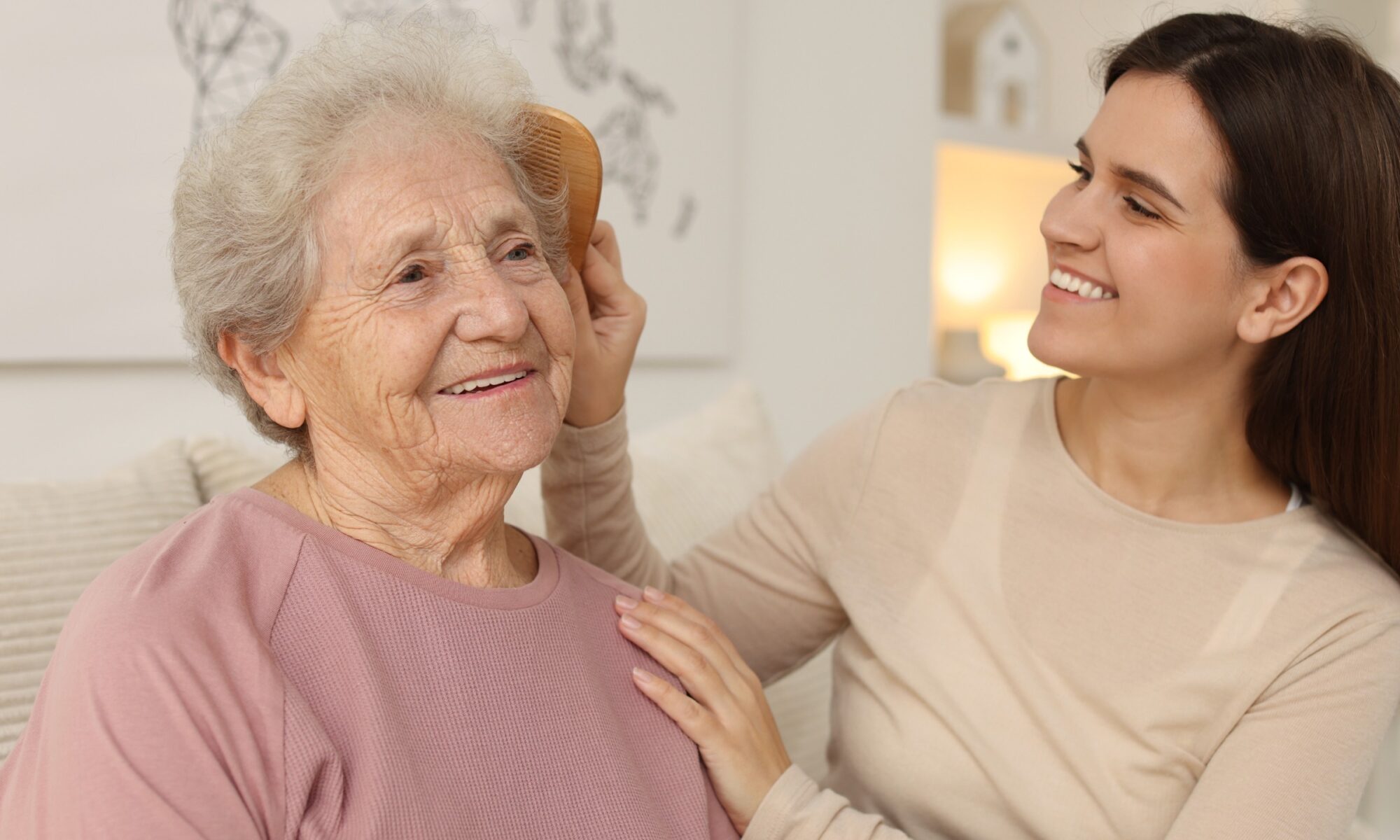
Assisting a senior loved one with dementia with personal hygiene can be one of the most challenging aspects of caregiving. It’s a deeply personal area, and changes in routine can cause confusion, anxiety, or resistance. The key is to approach these tasks with patience, respect, and a clear strategy to maintain dignity and comfort.
Establish a Consistent Routine
People with dementia often thrive on predictability. Establishing a consistent daily routine for hygiene tasks can reduce anxiety and make the process more familiar and comfortable.
- Choose the right time – Try to schedule baths, showers, and other hygiene activities for the time of day when your loved one is most calm and agreeable. This might be in the morning when your loved one is fresh or later in the day as part of a winding-down routine.
- Stick to the schedule – As much as possible, perform hygiene tasks at the same time and in the same order each day. This predictability can help your loved one feel more secure and in control.
- Keep it simple – Avoid rushing. A calm and unhurried atmosphere will make the experience more pleasant for both of you.
If your senior loved one has been diagnosed with a serious condition and needs help with tasks like meal prep, transportation, bathing, and grooming, reach out to Home Care Assistance, a leading provider of homecare services Montgomery families can trust. We also offer comprehensive care for seniors with dementia, Alzheimer’s, and Parkinson’s.
Communicate Clearly and Simply
How you communicate can significantly impact your loved one’s willingness to cooperate. Always approach your loved one with a calm and reassuring tone.
- Use simple step-by-step instructions – Instead of saying “It’s time for a shower,” which can be overwhelming, break the task down into smaller steps. For example, start with “Let’s go to the bathroom” followed by “Let’s turn on the water.”
- Explain what you’re doing – Gently narrate your actions as you perform them. This prevents surprises and can make your loved one feel more involved and less like things are being done to him or her.
- Offer choices – Whenever possible, provide simple choices to give your loved one a sense of autonomy. For example, ask “Would you like to use the blue towel or the white one?” or “Do you want to wash your face first or brush your teeth?”
In addition to assistance with personal hygiene, a professional caregiver can help your parent with a variety of daily tasks. Living with serious health conditions can make it challenging for seniors to age in place. However, they can maintain a higher quality of life with the help of professional Montgomery live-in care. Seniors can benefit from assistance with meal prep, bathing, transportation to the doctor’s office, medication reminders, and much more.
Create a Safe and Comfortable Environment
The physical environment of the bathroom can be a source of fear or discomfort for someone with dementia. Making the space feel safe and comfortable is crucial.
- Ensure a warm temperature – Make sure the bathroom is comfortably warm before you begin. A cold room can make the experience unpleasant and lead to resistance.
- Increase safety – Install grab bars, a shower chair or bench, and nonslip mats in the tub and on the floor to prevent falls. A handheld showerhead can also offer better control and make rinsing easier.
- Respect privacy – Keep the door closed and cover your loved one with a large towel or robe as much as possible to help him or her feel less exposed and maintain a sense of dignity.
Be Patient and Flexible
There will be good days and bad days. The most important thing is to remain patient and flexible in your approach. If a particular method isn’t working, be prepared to try something else.
- Recognize signs of distress – Pay attention to your loved one’s body language and verbal cues. If your loved one seems frightened or agitated, stop what you’re doing and offer reassurance. You can always try again later.
- Consider alternatives – If a full bath or shower is met with strong resistance, a sponge bath can be a less intimidating alternative. Similarly, using dry shampoo can be a good option if hair washing is a challenge.
- Focus on the person, not the task – Remember your relationship with your loved one is more important than completing a specific task. Maintaining a positive and respectful connection should always be your top priority.
Even when families have the best intentions, caring for a senior loved one with dementia can be challenging. Fortunately, Home Care Assistance is here to help. We’re a leading provider of dementia care that offers Montgomery families much-needed peace of mind. Families can take advantage of our flexible and customizable care plans, and our caregivers always stay up to date on the latest developments in senior care. If your loved one needs assistance with the challenges of aging, reach out to one of our knowledgeable, compassionate Care Managers today at (334) 593-3988.